
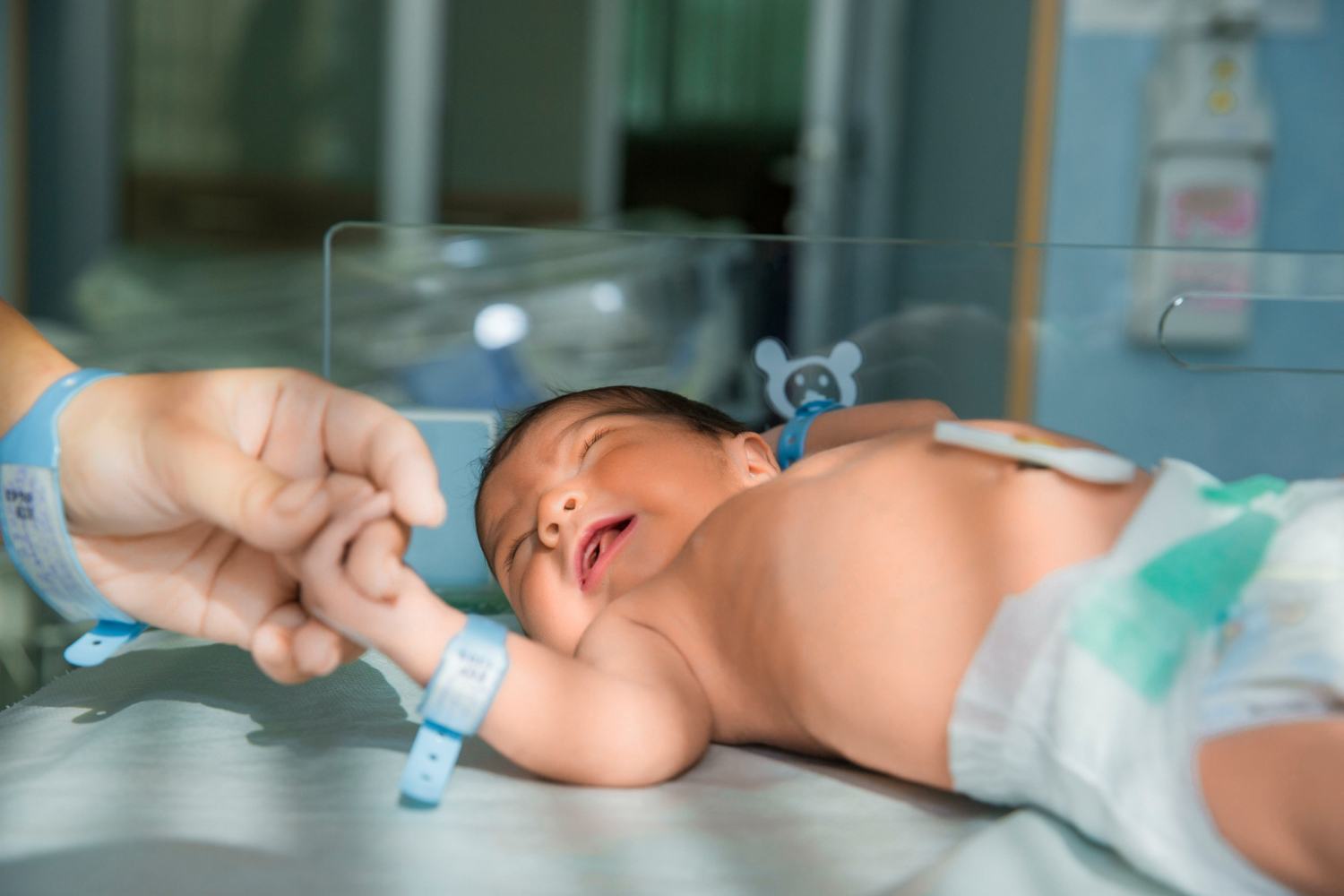
The NICU or Neonatal Intensive Care Unit is specially for those newborn babies who need a little extra help before they can thrive on their own. For some newborns, the NICU becomes a lifeline because they get extra care with specialized medical equipment. Premature or ill newborns are treated in the NICU.
While stepping into a NICU can feel overwhelming, understanding what it is and how it works can bring immense comfort and clarity to families during a challenging time.
NICU stands for Neonatal Intensive Care Unit. NICUs are staffed with a dedicated team of neonatologists, respiratory therapists, nurses, lactation consultants, and other specialists who support babies who are born early, have low birth weight, face complications at birth, or develop health issues shortly afterward. In the NICU new newborns will get close medical attention, such as 24-hour monitoring and special treatment. Babies requiring surgical procedures are also admitted in NICU.
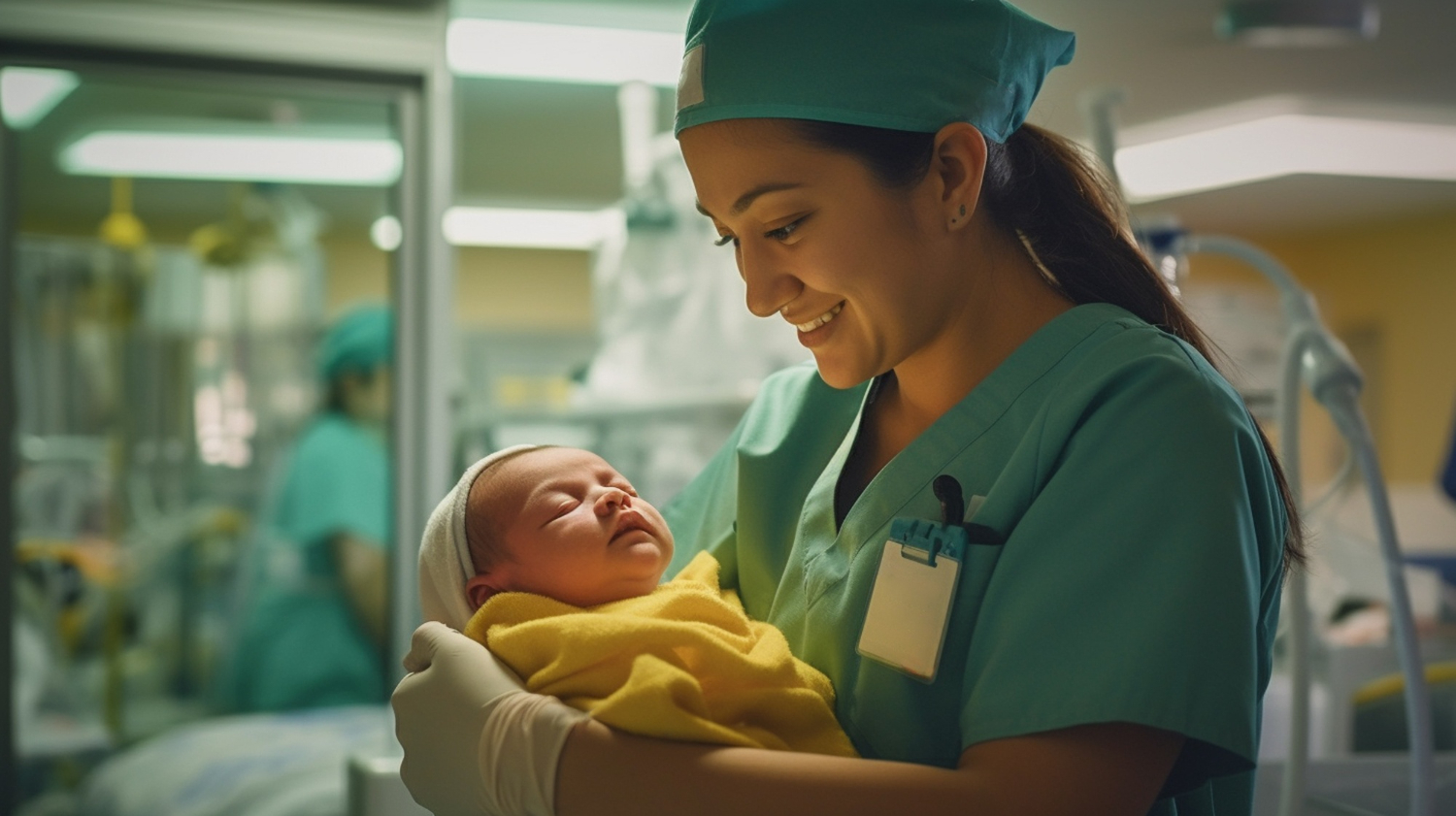
While many babies arrive healthy and strong, some need a little bit of support to adjust to the outside world. Some common reasons a baby might be admitted to the NICU include:
1. Premature Birth
One of the most common reasons for NICU admission is a premature baby. If the baby is born before 37 weeks of pregnancy, then you can say the baby is premature. Premature babies often need help with breathing, maintaining body temperature, feeding, and fighting infections. Nicu provides a safe environment for newborn babies to support their growth.
2. Low Birth Weight
Newborns who weigh less than 2500 gm may struggle with feeding, overall strength, and temperature regulation. But in the NICU, Newborns get proper nutrition and warmth to gain weight safely.
3. Breathing Problems
Some conditions, like respiratory distress syndrome (RDS), undeveloped lungs, and fluid in the lungs, may require therapeutics, ventilators, or continuous positive airway pressure (CPAP).
4. Infections
Some infants are born with infections or are at high risk of developing them. NICU teams provide appropriate antibiotics and other support to help prevent complications and faster recovery.
5. Delivery Complications
Difficult or emergency deliveries can lead to conditions where newborns need to be admitted to the NICU. Some newborns have low oxygen levels and trauma during birth because of these issues, and they need to be admitted to the NICU.
6. Surgical Procedures
Some babies are born with birth defects like intestinal atresia/hernia which requires early and timely surgery
When a baby arrives too soon, the first moments of parenthood can look very different from what most families expect. Instead of going home within days, parents may find themselves standing beside an incubator, watching tiny hands wrapped in delicate wires and monitors. This is the reality of so many families that they need to head towards the NICU immediately after delivery.
While the NICU can feel overwhelming at first, understanding how it works and what to expect can bring clarity, hope, and reassurance during this challenging time.
The NICU is fully equipped with incubators to keep your babies warm, to track heart rate and oxygen levels, and phototherapy for jaundice.
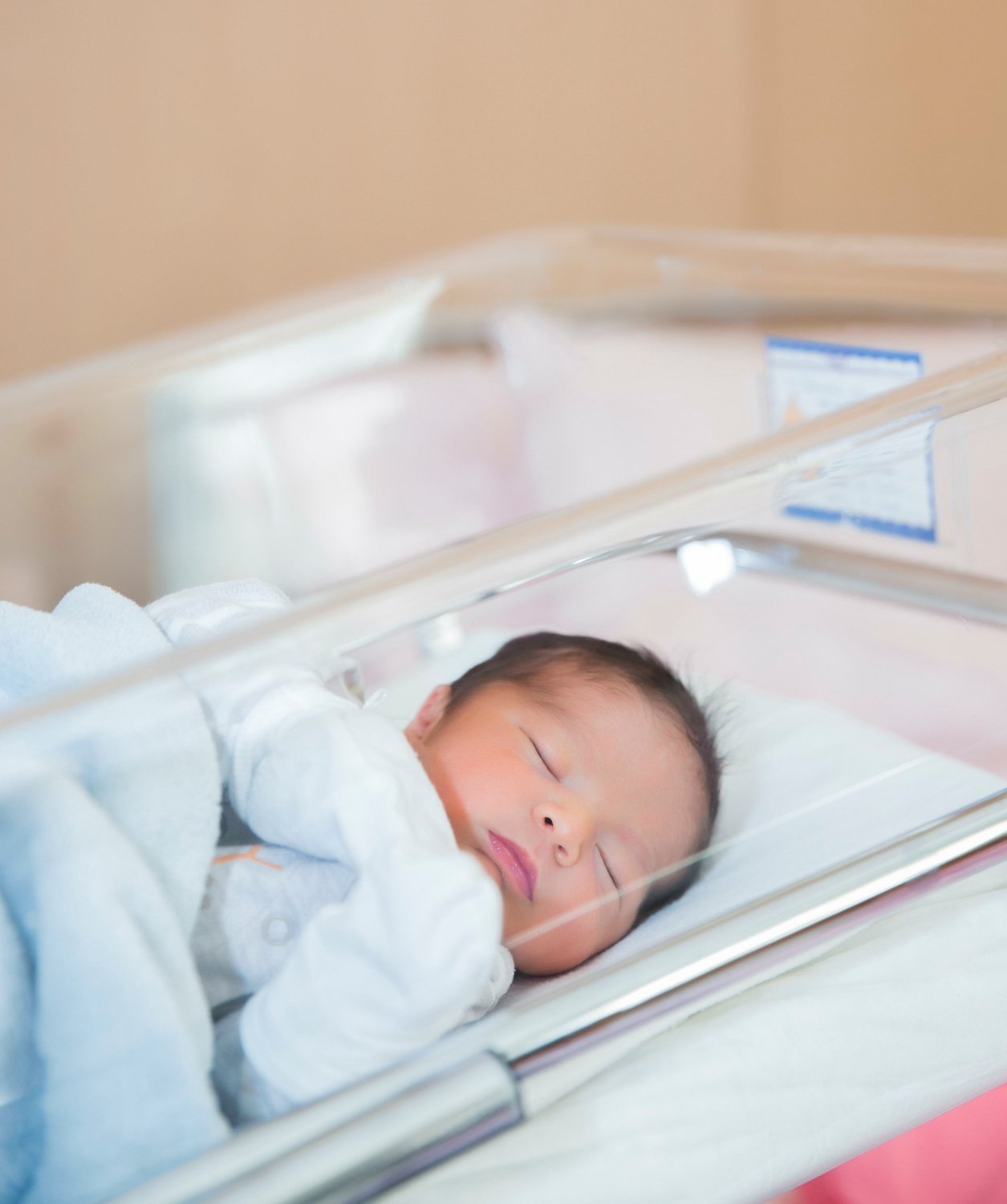
Some of the equipment and monitors used in the NICU are Heart or cardiorespiratory monitors, Pulse oximeters, Blood pressure monitors, Temperature probes, Electrodes for EEG, X-ray machines, and more. All this equipment is necessary and important for newborns' health.
Support Services
NICUs have a special team of social workers, such as case managers, to support parents emotionally and financially. The lactation consultants help mothers with breastfeeding, which is crucial for the baby's nutrition and immunity. The physical and occupational therapists support the baby's developmental progress as they grow in the NICU.
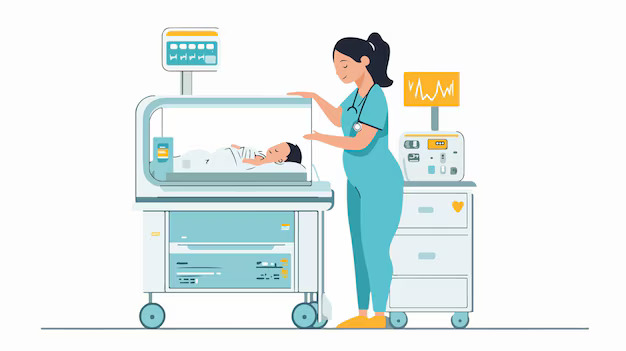
These combined approaches help premature babies survive and thrive despite their early arrival, providing a foundation for healthy development outside the hospital.
Stages Of NICU
Some babies are not sick, but still, they require special nursing care, which may also be taken care of in NICUs. Babies are referred to other hospitals where personal care is given to newborn babies. Their chances of survival are higher than if they are transferred after birth.
The four levels of NICU are:
Level I NICUs, also referred to as newborn nurseries, offer preterm infants (babies born before 37 weeks of pregnancy) basic care. Regular care is given to healthy preterm babies in NICUs. Healthy preterm infants born between 35 and 37 weeks of pregnancy admitted to NICU, those newborns who have mild issues and are not sick are admitted to level 1 before being moved to a higher-level NICU for more advanced care.
All the features of the Level 1 NICU are also in the Level II NICU. These units provide care to newborns with immature or moderate illness. In this unit, the neonatal nurse practitioners take care of those infants who are taking feed and getting stronger or who are recuperating from critical care. Babies are on IV/parental nutrition for optimal growth and development.
Level III is for those infants who were born before 32 weeks of pregnancy or born with certain medical conditions, such as those who require special surgery or special nenatal care eg CPAP support.
The best medical care is provided to premature infants and newborns in Level IV NICUs. These units take care of the small and most fragile infants, as some infants need complicated treatment and care. These babies are generally ELBW (Extremely Low Birth Weight) or very sick and may require ventilator support.
Copyright © 2026 Sehgal Neo Hospital. All Rights Reserved.




 Emergency call: +91-8800297600

 011-45565656
 Book an Appointment